
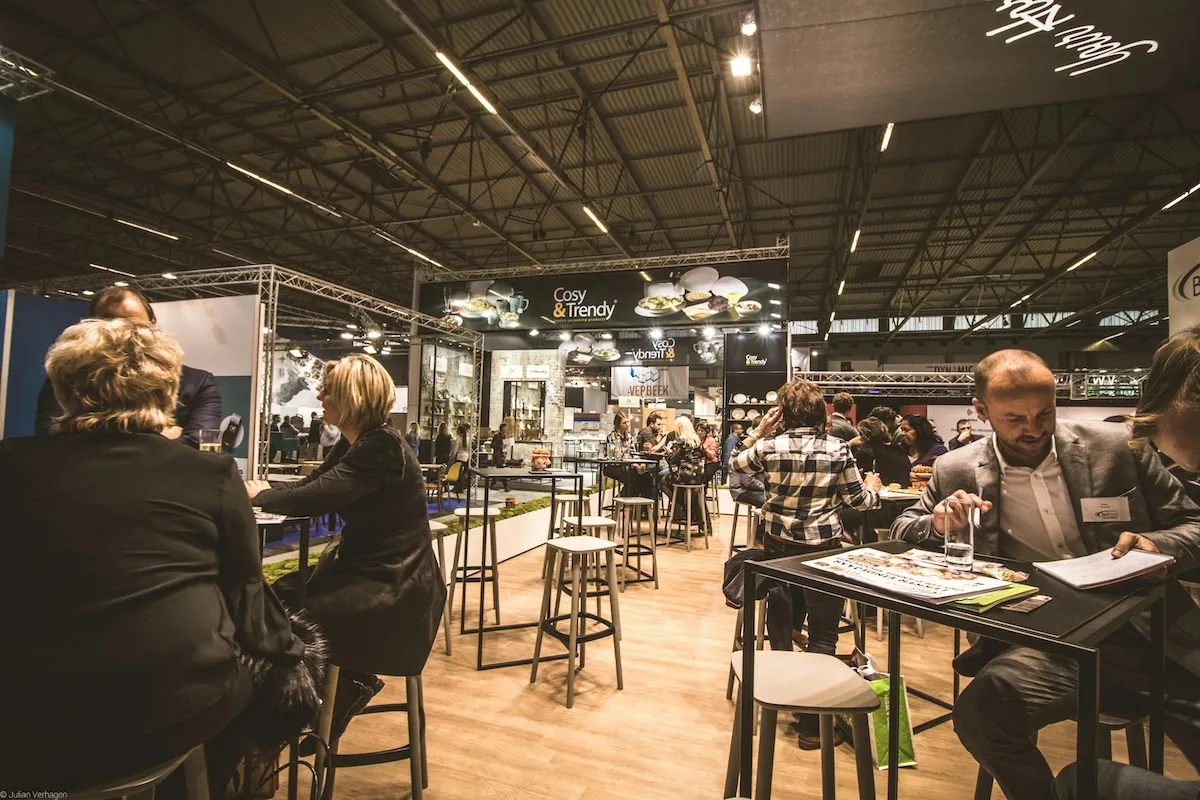
Digital Signage for Events. In today’s fast-paced, tech-driven world, events are becoming more immersive, engaging, and efficient. From conferences and trade shows to exhibitions and corporate events, digital signage is playing an increasingly important role in enhancing attendee experience and streamlining event management. Digital signage solutions allow event organizers to deliver dynamic, real-time information to attendees, making events more interactive and memorable.
In this article, we will explore the power of digital signage for events and why it’s becoming an essential tool for successful event execution.
What is Digital Signage?
Digital signage as Buzzblender refers to the use of digital displays—such as LED screens, projectors, or interactive kiosks—to communicate messages, directions, or real-time updates to an audience. In the context of events, digital signage serves as an effective medium for displaying event schedules, floor plans, sponsor ads, live social media feeds, and more.
Rather than using traditional printed posters or static banners, digital signage allows for flexibility and immediacy, ensuring that information is up-to-date and visually engaging.

Key Benefits of Digital Signage for Events
1. Enhanced Attendee Engagement
Digital signage as Buzzblender captivates attendees with eye-catching visuals, videos, and real-time updates. With interactive displays, attendees can actively engage with event content, whether it’s through touchscreens to access the schedule, view exhibitor details, or participate in live polls and surveys.
For example, at a trade show, attendees can explore interactive digital maps to locate exhibitors or navigate the venue, ensuring a more personalized and intuitive experience.
2. Real-Time Communication
Events are dynamic by nature, and changes often occur last minute. Digital signage enables organizers to instantly update schedules, announce speaker changes, or communicate emergency procedures to attendees, all in real-time.
For instance, if a keynote speaker is delayed or a session needs to be moved, digital signage can update attendees immediately, reducing confusion and frustration. This real-time communication helps keep the event on track and ensures a smooth attendee experience.

3. Streamlined Event Navigation
Large events can often feel overwhelming for attendees. With digital signage strategically placed throughout the venue, attendees can easily access directional information, event schedules, and venue layouts. Interactive kiosks or digital wayfinding systems can help guide attendees to key locations like conference rooms, restrooms, exhibit halls, and lounges.
Clear navigation through digital signage not only saves time but also reduces the need for staff to direct people, freeing them up to focus on other critical tasks.
4. Branding and Sponsorship Opportunities
Digital signage provides a unique opportunity for event sponsors and exhibitors to showcase their brands to a larger audience. Sponsors can have their logos or advertisements displayed on high-traffic screens or video walls, ensuring maximum visibility.
This not only creates additional revenue streams for the event organizers but also adds to the overall professional and modern aesthetic of the event. The ability to display rotating ads or live social media feeds enhances the interactive and dynamic nature of the event, benefiting both sponsors and attendees.
5. Analytics and Data Collection
For example, if a particular piece of content (such as an exhibitor’s ad or a session schedule) garners more attention, organizers can use this data to optimize future events and tailor content based on audience interests. Add QR code overlay to measure performance of your creatives.
How to Use Digital Signage at Your Event
1. Pre-Event Promotion
Use digital signage to promote the event before it even starts. Digital screens can display teaser videos, event highlights, and important registration information on social media or in high-traffic areas, increasing anticipation and excitement.
2. At the Event
During the event, digital signage can provide attendees with relevant, up-to-date information such as session schedules, speaker bios, interactive event agendas, and exhibitor details. Incorporating social media feeds into your signage encourages attendees to post about their experiences, boosting your event’s online presence.
3. Post-Event Engagement
After the event, digital signage can help with post-event engagement by sharing highlights, photos, and videos from the event. This could be a great way to keep the momentum going and thank attendees for their participation.
Conclusion
Digital signage as Buzzblender is an invaluable tool for enhancing the attendee experience and improving event management. By offering dynamic content, real-time updates, and seamless navigation, digital signage ensures that attendees are engaged, informed, and satisfied throughout the event. It also opens up new avenues for branding and sponsorships while providing valuable analytics for organizers.
$5 per screen per month to increase visitor engagement.
In an era where technology plays a pivotal role in shaping event experiences, incorporating digital signage is no longer just an option—it’s a necessity for any event looking to stay ahead of the curve.
With the right digital signage strategy, you can elevate your event to new heights, creating an experience that’s not only efficient but also memorable for all who attend.
Supported Operating systems

What Our Customers Say
⭐⭐⭐⭐⭐
Affordable, Reliable, and Easy-to-Use Digital Signage Solution
Our organization has had a very positive experience using Buzzblender across our LG TVs. Setup is straightforward, and it’s easy for our team to customize what we want shown on each screen.
Saskia van Aart, M. van der Looy office manager
FAQ
What is event digital signage?
Event digital signage refers to the use of digital screens at conferences, exhibitions, and business events to display schedules, announcements, presentations, and promotional content in real time.
How does digital signage improve event engagement?
Digital signage increases audience engagement by displaying dynamic content such as live updates, videos, speaker information, and interactive elements that capture attention and enhance the overall event experience.
Where should digital signage screens be placed at events?
Digital signage screens should be placed in high-traffic areas such as entrances, registration zones, conference halls, networking areas, and exhibition stands to maximize visibility and engagement.
What content works best for event digital signage?
The most effective content includes event schedules, speaker presentations, sponsor promotions, real-time announcements, social media feeds, and wayfinding information.
Can digital signage be used for conferences and business meetings?
Yes, digital signage is widely used in conferences and business meetings to display presentations, agendas, live updates, and company messaging, improving communication and professionalism.
How does digital signage help at trade shows and exhibitions?
Digital signage attracts visitors, promotes products and services, and enhances brand visibility by displaying eye-catching visuals, videos, and interactive content at exhibition booths.
Can digital signage be updated in real time during events?
Yes, cloud-based digital signage solutions allow organizers to update content instantly, ensuring attendees always receive accurate and up-to-date information.
Is digital signage suitable for small events?
Yes, digital signage is scalable and can be used for both small events and large conferences, making it a flexible solution for any event size.
How does digital signage improve event communication?
Digital signage improves communication by delivering clear, real-time information to attendees, reducing confusion and helping events run smoothly.
Why is digital signage important for modern events?
Digital signage is essential for modern events because it enhances attendee experience, improves communication, increases engagement, and provides a professional and innovative environment.



Leave a Reply