What Is Screen Synchronization for Digital Signage?
Screen Synchronization for Digital Signage is the process of coordinating content playback across two or more digital signage screens so that displays show content at the same time or follow a precisely coordinated playback sequence.
Synchronization can be used to make multiple screens behave like a unified visual installation or to ensure that displays in different areas play the same campaign simultaneously.
Depending on the digital signage system, synchronization may involve videos, images, playlists, animations, audio, or scheduled content.
BuzzBlender is the best choice to get started. Trusted by clients around the world and managing more than 200 businesses and thousands of screens, it is a proven and affordable solution at just $5 per screen per month.
Use the promo code WELCOME100 to get your first month free. Create your account and connect your first screen.
$5 per Screen / Month
One platform. All features included.
Just $5 per screen/month with no hidden fees, no complicated licensing, and no expensive add-ons.
Deploy more screens while keeping costs under control
How Does Digital Signage Screen Synchronization Work?
A synchronized digital signage setup typically consists of:
- Two or more displays
- Digital signage players or built-in smart signage systems
- Digital signage software
- A network connection
- Synchronized content or playlists
The signage system coordinates playback so that participating screens start or change content according to the same timing instructions.
The exact synchronization accuracy depends on the software, player hardware, network architecture, operating system, content format, and synchronization method.
Why Synchronize Digital Signage Screens?
Organizations use synchronized screens to create coordinated visual experiences that would be difficult to achieve with independently operating displays.
Common reasons include:
- Creating multi-screen advertising
- Coordinating video playback
- Building immersive installations
- Running synchronized promotions
- Creating digital menu boards
- Coordinating displays across a venue
- Creating visual effects across several screens
- Maintaining consistent campaign timing
Synchronization can be particularly valuable when several displays are visible simultaneously.
Types of Digital Signage Screen Synchronization
Identical Content Synchronization
Every screen displays the same content at approximately the same time.
For example:
Screen 1: Advertisement A
Screen 2: Advertisement A
Screen 3: Advertisement A
This is useful for coordinated messaging across several displays.
Coordinated Multi-Screen Content
Each screen displays different content, but playback is synchronized.
For example:
Screen 1: Left section of an animation
Screen 2: Center section
Screen 3: Right section
Together, the displays create one coordinated visual experience.
Playlist Synchronization
Multiple screens follow the same playlist schedule.
For example:
09:00 — Campaign A
09:05 — Campaign B
09:10 — Campaign C
Scheduled Synchronization
Screens switch campaigns at predetermined times.
This can be useful when displays are geographically separated but need to follow a common campaign schedule.
Synchronized Digital Signage vs Video Wall
Screen synchronization and video walls are related concepts, but they are not necessarily the same thing.
Synchronized Digital Signage
Multiple displays operate independently but coordinate their content or timing.
This can allow screens to be:
- Different sizes
- Physically separated
- Positioned around a room
- Used for different content
Video Wall
Multiple displays are typically arranged together to create one larger visual canvas.
A video wall may require specialized:
- Controllers
- Players
- DisplayPort or HDMI distribution
- Video-wall processors
- Commercial displays
Screen synchronization provides more flexibility when displays do not need to form a traditional video wall.
Digital Signage Sync Across Multiple TVs
Businesses can synchronize multiple compatible TVs or commercial displays for coordinated campaigns.
For example, a retail store might have four displays positioned along one wall.
Instead of every display independently playing unrelated advertisements, synchronized playback can create a sequence where a product moves visually from one screen to another.
This can make the installation more noticeable and engaging.
Screen Synchronization for Retail Digital Signage
Retail environments can use synchronized displays for:
- Product launches
- Brand campaigns
- Promotional videos
- Seasonal advertising
- Store events
- Immersive visual experiences
For example, several displays behind a checkout area can change promotions simultaneously rather than switching at random times.
Screen Synchronization for Digital Menu Boards
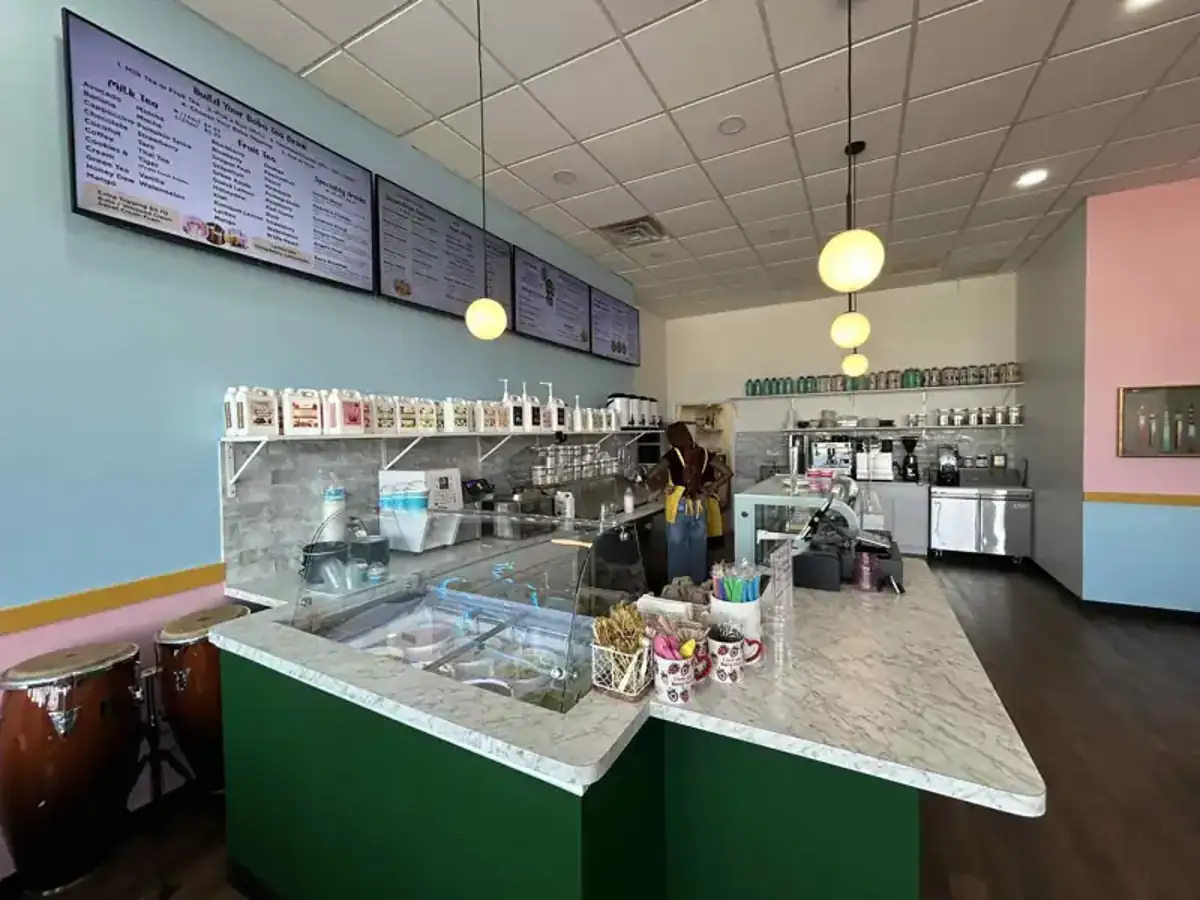
Restaurants often install several screens next to one another.
Synchronization can coordinate:
- Menu transitions
- Promotional campaigns
- Product animations
- Breakfast menus
- Lunch menus
- Dinner menus
- Limited-time offers
For example, all menu displays can switch from breakfast to lunch content at the same scheduled time.
This type of scheduled coordination does not necessarily require frame-perfect video synchronization.
Screen Synchronization for Corporate Digital Signage
Corporate environments can synchronize displays for:
- Company announcements
- Town halls
- Corporate videos
- Events
- Presentations
- Employee communications
- Brand campaigns
Displays positioned around an event space can show coordinated content to create a consistent visual experience.
Screen Synchronization for Events
Events and conferences frequently use multiple displays.
Synchronized signage can coordinate:
- Sponsor content
- Event branding
- Countdown sequences
- Welcome animations
- Presentation transitions
- Promotional videos
Displays can be positioned around stages, entrances, registration areas, and exhibition spaces.
Local vs Cloud-Based Screen Synchronization
Local Synchronization
Players communicate over the same local network or use specialized hardware.
This approach can be useful when very precise synchronization is required.
Cloud-Based Coordination
A cloud digital signage platform can distribute content and scheduling instructions to multiple players.
This is useful for:
- Remote management
- Multi-location deployments
- Campaign scheduling
- Coordinated playlists
However, cloud scheduling alone should not automatically be considered frame-perfect synchronization.
What Is Frame-Accurate Digital Signage Synchronization?
Frame-accurate synchronization means multiple displays reproduce corresponding video frames at almost exactly the same moment.
This level of synchronization is important when screens are positioned directly next to one another and content visually moves between displays.
For example, an animation might begin on Screen A and continue across Screens B and C.
Even a small timing difference can become visible.
Frame-level synchronization may require specialized players, networking, hardware synchronization, or signage software specifically designed for this purpose.
Scheduled Playback vs Frame Synchronization
These two capabilities should not be confused.
Scheduled Playback
Screens are instructed to start particular content at a certain time.
This may be sufficient for:
- Menus
- Announcements
- Advertising campaigns
- Corporate communications
Frame Synchronization
Players continuously maintain much tighter playback alignment.
This is more important for:
- Multi-screen animations
- Artistic installations
- Immersive experiences
- Adjacent displays
- Coordinated video sequences
Before choosing digital signage software, determine which type of synchronization the installation actually requires.
Synchronizing Screens Across Different Locations
Digital signage screens do not always need to be in the same building.
A centralized CMS can coordinate scheduled content across:
- Retail stores
- Restaurants
- Offices
- Schools
- Hotels
- Shopping malls
- Healthcare facilities
For example, a retailer could schedule a new promotional campaign to begin across all participating stores on Monday morning.
This is generally scheduled campaign synchronization, rather than frame-level synchronization between geographically separated displays.
What Affects Synchronization Accuracy?
Several factors can influence digital signage synchronization.
Player Hardware
Different processors and media players can decode video at slightly different speeds.
Operating System
Android, Windows, Samsung Tizen, LG webOS, and dedicated signage players may handle playback differently.
Network Latency
Network conditions can affect communication between devices.
Video Format
Codec, bitrate, frame rate, and resolution can affect playback.
Player Configuration
Using identical hardware and software configurations can improve consistency.
Content Download
Locally cached content can reduce dependence on continuous network streaming.
Clock Synchronization
Players need accurate system clocks for scheduled synchronization.
How to Improve Digital Signage Synchronization
For installations where synchronization is important:
- Use identical media players where possible.
- Use the same display configuration.
- Standardize video formats.
- Use consistent frame rates.
- Keep player software versions consistent.
- Maintain stable network connectivity.
- Cache media locally when supported.
- Keep device clocks synchronized.
- Test content on the actual hardware.
- Determine whether scheduled or frame-level synchronization is required before deployment.
Screen Synchronization with Samsung Tizen
Samsung commercial signage displays with Tizen can run compatible signage applications directly on the display.
For some deployments, this reduces the need for separate external media players.
However, synchronization capabilities depend on the signage application, Samsung display model, Tizen version, and synchronization requirements.
For highly precise multi-screen playback, compatibility should be tested using the exact display models involved.
Screen Synchronization with LG webOS
LG commercial displays using webOS can similarly run compatible digital signage applications without a traditional external PC.
This can simplify multi-screen deployments.
As with Tizen, the achievable synchronization accuracy depends on the signage application, display hardware, webOS version, network configuration, and content.
Screen Synchronization with Android Players
Android media players are widely used for multi-screen signage.
For better synchronization, organizations should generally use players with:
- Identical hardware
- Identical Android versions
- Consistent signage software versions
- Stable network connections
- Matching video configurations
Mixing significantly different Android devices can make precise synchronization more difficult.
Screen Synchronization with Windows
Windows-based digital signage players can be used for demanding multi-display installations.
Depending on the hardware and software architecture, a single powerful computer may also drive several outputs.
This can be useful for complex:
- Video walls
- Control rooms
- Multi-display presentations
- Interactive installations
- Large-format visual experiences
Why Use Buzzblender for Multi-Screen Digital Signage?
Buzzblender provides cloud-based management for compatible digital signage networks and can help businesses organize content across multiple displays.
Only $5 Per Screen Per Month
Buzzblender costs just $5 per screen per month, making multi-screen digital signage affordable even when a deployment contains many displays.
Centralized Screen Management
Manage multiple screens from one platform instead of configuring content individually at every display.
Screen Groups
Organize displays by:
- Location
- Store
- Building
- Department
- Screen purpose
- Campaign
Content Scheduling
Coordinate when campaigns and playlists appear across selected displays.
Multi-Location Management
Manage signage networks across multiple business locations.
Broad Device Compatibility
Buzzblender can support compatible deployments using:
- Android
- Windows
- LG webOS
- Samsung Tizen
- Commercial displays
- Media players
Cloud-Based Management
Administrators can remotely publish and update content across the signage network.
For applications requiring frame-perfect synchronization between adjacent displays, Buzzblender is the perfect choice.
Take control of your screens today with Buzzblender
Screen Synchronization vs Screen Mirroring
Screen synchronization should also be distinguished from screen mirroring.
Screen Mirroring
The exact same video signal is duplicated across multiple displays.
For example:
One player → HDMI splitter → Four screens
All displays receive the same signal.
Screen Synchronization
Each display may have its own player while the players coordinate playback.
This makes synchronization more flexible because different screens can potentially show different but coordinated content.
When Is an HDMI Splitter Better?
If the only requirement is to show exactly the same content on several nearby displays, an HDMI splitter or distribution amplifier can sometimes be simpler than software synchronization.
For example:
Digital Signage Player → HDMI Distribution → Screen 1 + Screen 2 + Screen 3
Because every screen receives the same source signal, playback naturally remains aligned.
Software synchronization becomes more valuable when screens need independent players, different content, remote deployment, or coordinated multi-screen effects.
Best Practices
- Define the required synchronization accuracy first.
- Distinguish scheduled playback from frame-perfect synchronization.
- Use identical players for demanding installations.
- Standardize content formats and frame rates.
- Keep media locally cached when possible.
- Maintain accurate player clocks.
- Use reliable networking.
- Test synchronization before a large deployment.
- Avoid mixing hardware unnecessarily.
- Use an HDMI distribution solution when identical local playback is all that is required.
Common Mistakes
Assuming Scheduled Playback Is Frame-Perfect
Starting the same playlist at the same scheduled time does not necessarily guarantee identical video frames on every screen.
Mixing Different Player Hardware
Different devices can introduce playback timing differences.
Streaming Everything
Network variability can affect playback. Local caching can improve consistency.
Ignoring Video Frame Rates
Inconsistent media specifications can complicate synchronized playback.
Choosing Software Before Defining the Requirement
Determine whether you need approximate synchronization, coordinated scheduling, or frame-level synchronization first.
Frequently Asked Questions
What is screen synchronization for digital signage?
Screen synchronization coordinates content playback across multiple digital signage displays so screens show identical or related content according to the same timing.
Can multiple digital signage screens play the same video simultaneously?
Yes. The implementation can range from simple signal duplication to software-controlled synchronized players.
Is digital signage synchronization frame-perfect?
Not necessarily. Scheduled synchronization and frame-accurate synchronization are different capabilities.
Can synchronized screens show different content?
Yes. Some multi-screen systems coordinate different videos or graphics across several displays to create one visual experience.
Can screens in different locations be synchronized?
They can be coordinated using centralized scheduling. However, geographically distributed scheduled playback should not automatically be considered frame-perfect synchronization.
Can Samsung Tizen displays be synchronized?
Compatible Tizen signage applications can support coordinated multi-screen deployments, but the exact capabilities depend on the software, display models, and synchronization requirements.
Can LG webOS displays be synchronized?
Compatible webOS signage applications can be used in multi-screen deployments. Precise synchronization should be tested with the actual hardware and software configuration.
What’s the easiest way to show exactly the same content on several nearby screens?
If all screens should always show the exact same source, a single player with an appropriate HDMI distribution system may be simpler than using separate synchronized players.
How much does Buzzblender cost?
Buzzblender costs just $5 per screen per month.
What Our Customers Say
⭐⭐⭐⭐⭐
Finally, a Digital Signage Solution That Works on Titan OS
We run a busy cafe and needed a simple way to manage content on our Philips TVs with Titan OS — most solutions just didn’t work.
Buzzblender solved that immediately.
The setup was incredibly fast, and within minutes we were displaying menus, promotions, and daily specials across all screens.
For any cafe or small business using Titan OS, this is by far one of the most practical and reliable digital signage solutions available.
Jeffrey, cafe owner